Category Archives: Uncategorized
Blumenthal: Rate of detection for Lyme disease in ticks increased
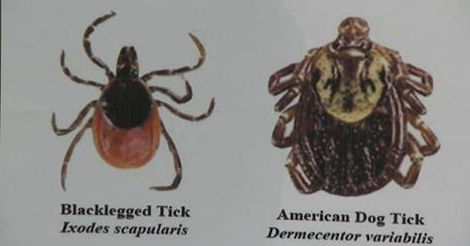
Sen. Richard Blumenthal is warning residents to avoid ticks at all costs due to the painful diseases that they can carry, including Lyme disease. “The season for Lyme is expanding, partly as a result of climate change, partly as a result of the greater incidents of Lyme in ticks,” said Blumenthal. Blumenthal says that the …
Continue reading “Blumenthal: Rate of detection for Lyme disease in ticks increased”
Tick Season is Already Here
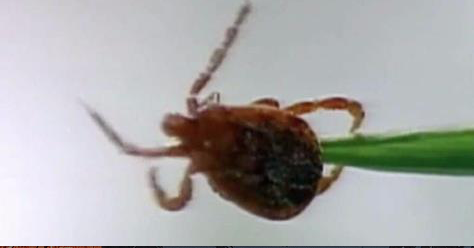
With the warm weather seasons moving in, state health officials are reminding residents to protect against ticks. Ticks are back and can be picked up at places like parks, gardening or hiking. “On Sunday I was cleaning up the garden bites and I got tick bites,” said Simsbury resident Joyce Simsbury. Scientists are already testing …
Summer is here! Please pay attention to your turfgrass!
Based off the weather forecast for the next 10 days, we are in for some warm weather. This is great for cookouts and outdoor activities and it’s certainly welcome based off the winter we had. However, managing turfgrass brings new challenges to our area. Lawns need to receive at least 1″ of water per week. …
Continue reading “Summer is here! Please pay attention to your turfgrass!”
Not Your Lawns Best Friend
If you’re a dog owner, chances are that your lawn has suffered the consequences of house training. Dog urine can be caustic to lawns due to it’s high nitrogen content, leaving brown spots throughout your yard. Some horticulturalists have even referred to this condition as “dog spot disease.” If you’re looking for ways to minimize …
How much water does my lawn need?
Your lawn needs 1 to 1-1/2″ (3-4cm) of water weekly. Mother nature provides water, but she sometimes needs help. To determine the need for supplemental water, look for these telltale signs of oncoming drought stress: Areas of the lawn especially near concrete or asphalt (sidewalks and driveways), under large trees and on slopes, take on …
What risk do my children and pets face after a weed control product has been applied?
Please follow your Red Carpet Turf Professional’s written instructions and remain off a treated lawn until it has dried or as an extra precaution, for 24 hours. This will reduce the potential for contact with the material to practically nothing. When the material is applied to a lawn, it dries very quickly to the target …
When should I cut the grass?
Your lawn should be kept 2.5 to 3 inches (6-8 cm) long. Mowing height should be increased during the hot, dry summer. In most areas, the grass will grow more quickly in the spring and fall and require more frequent mowing. The lawn should be mowed frequently, so that only 1/3 of the total grass …